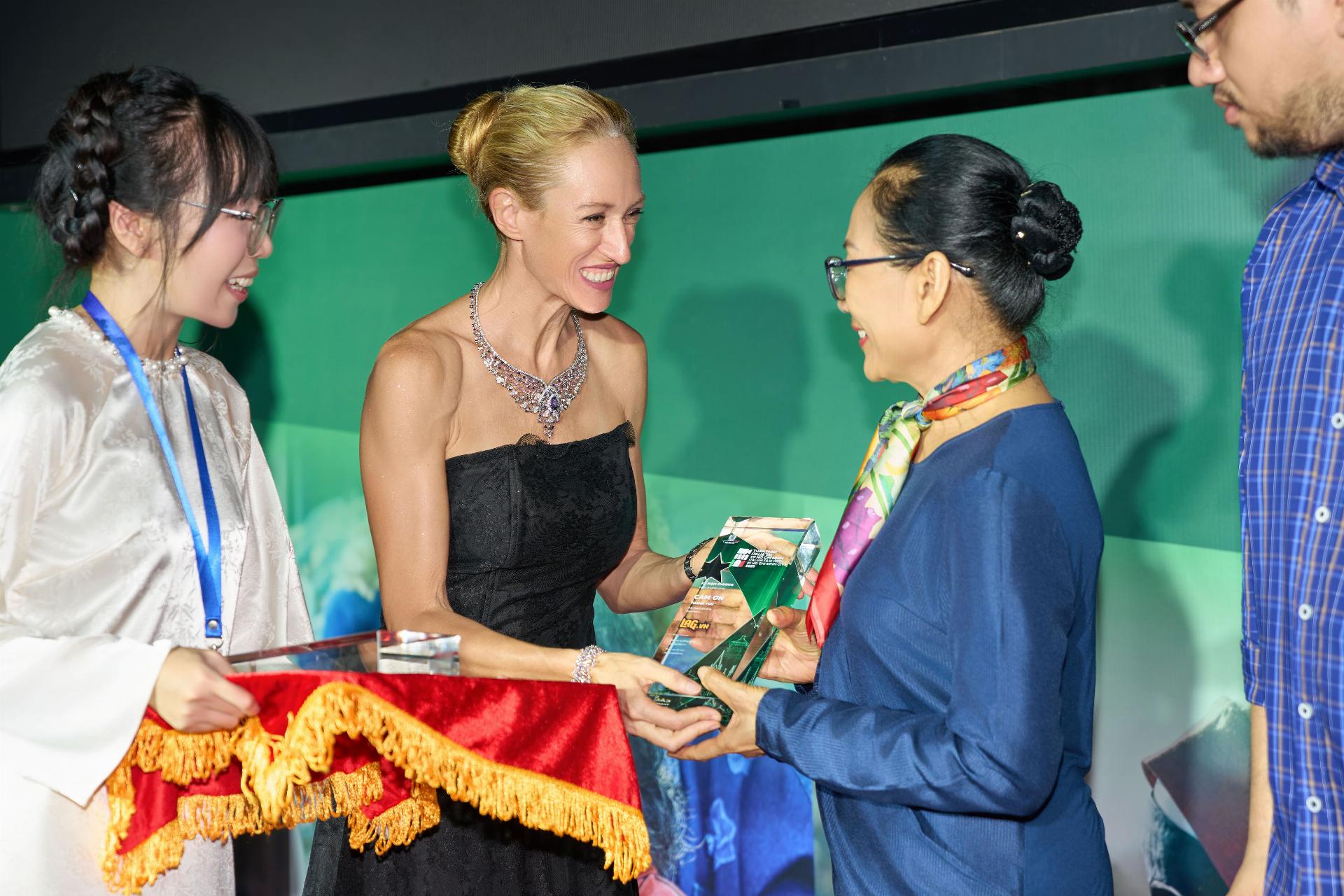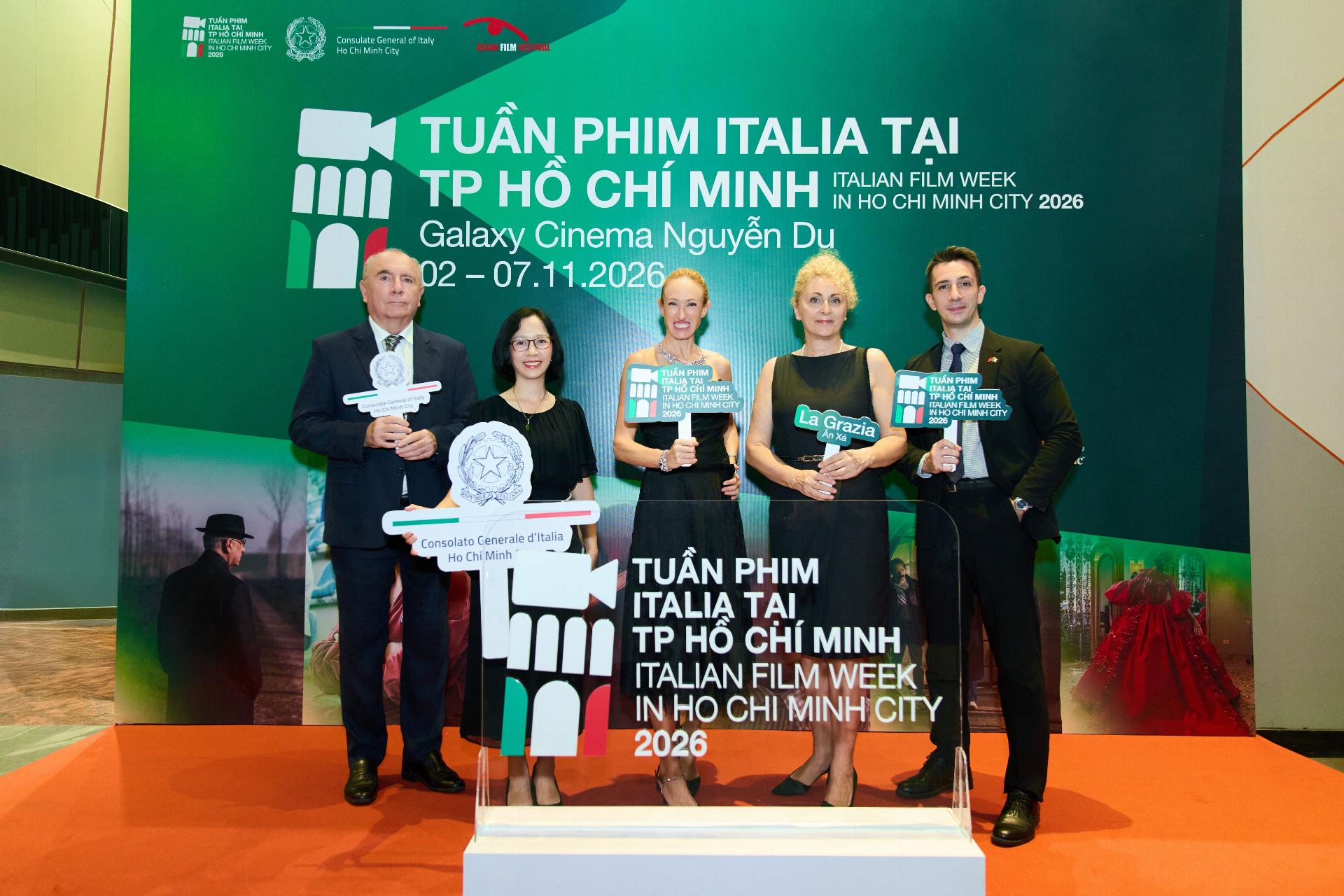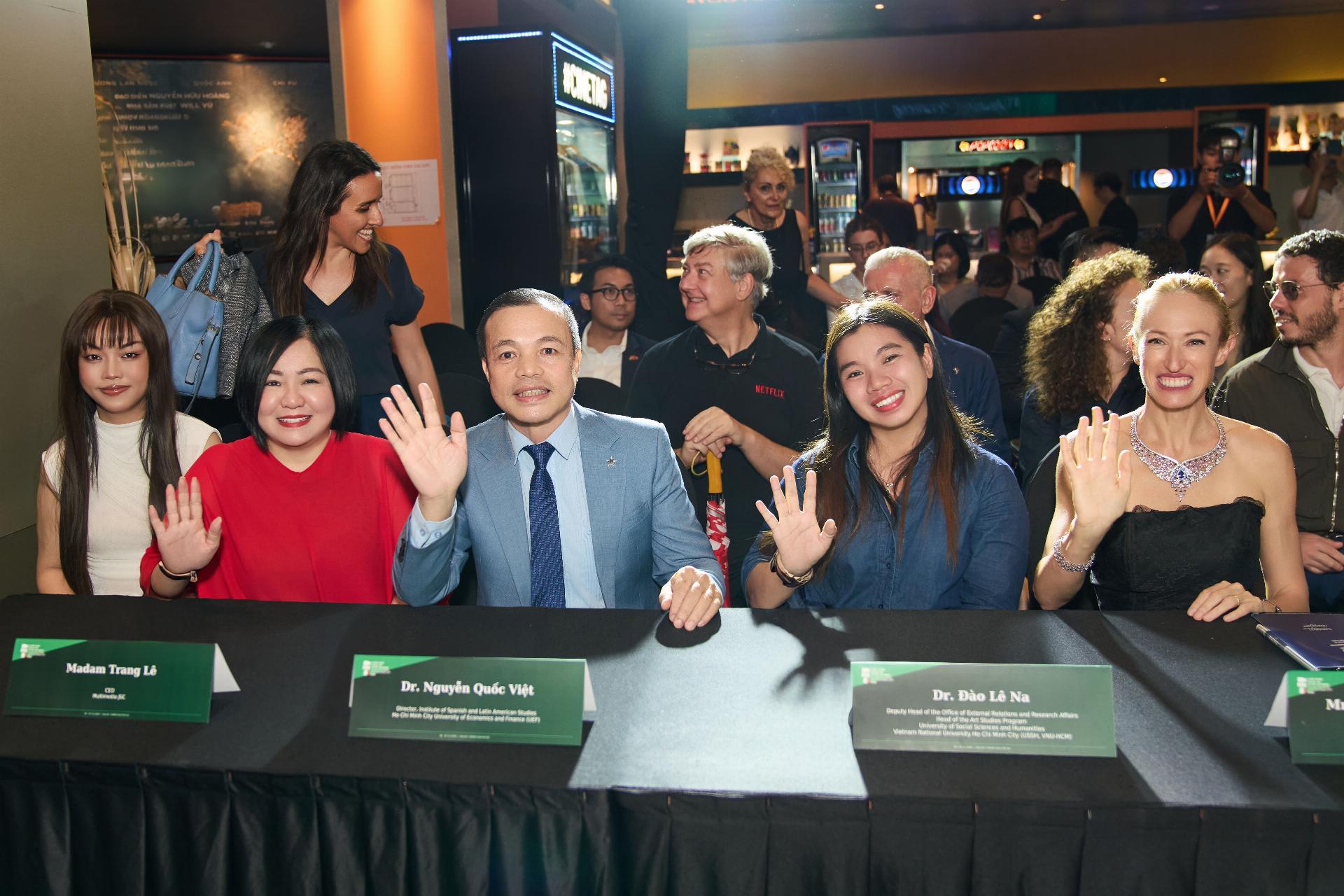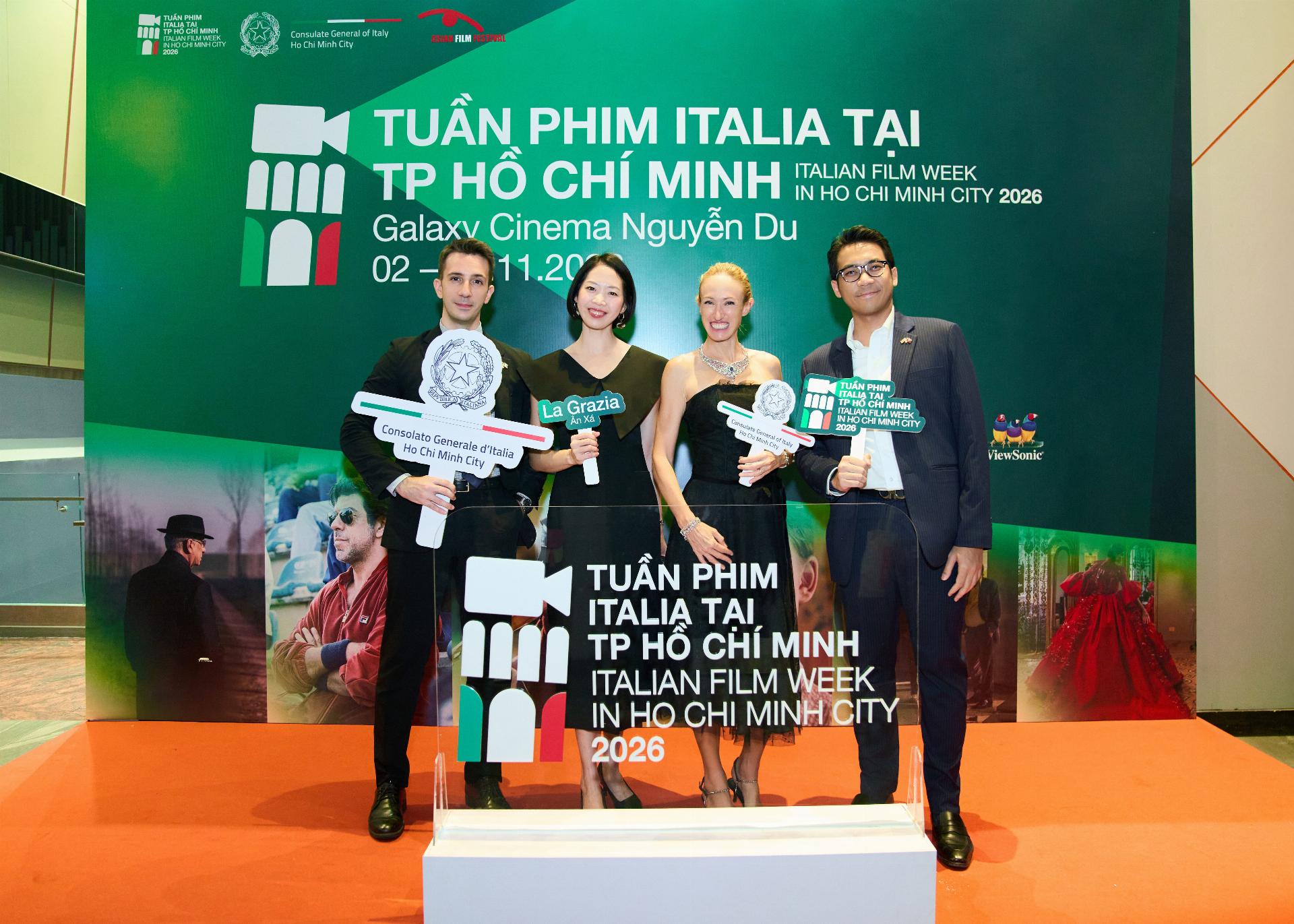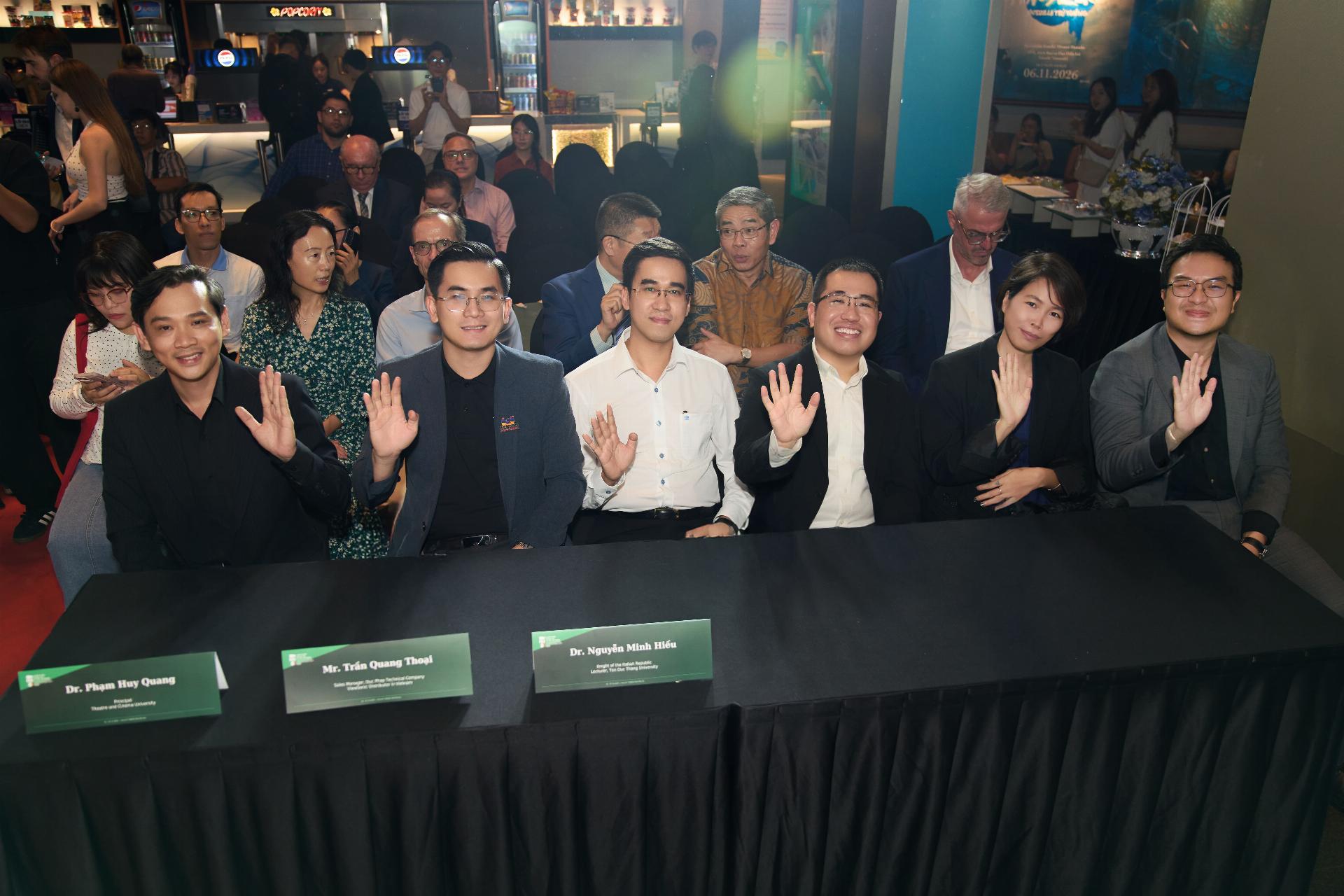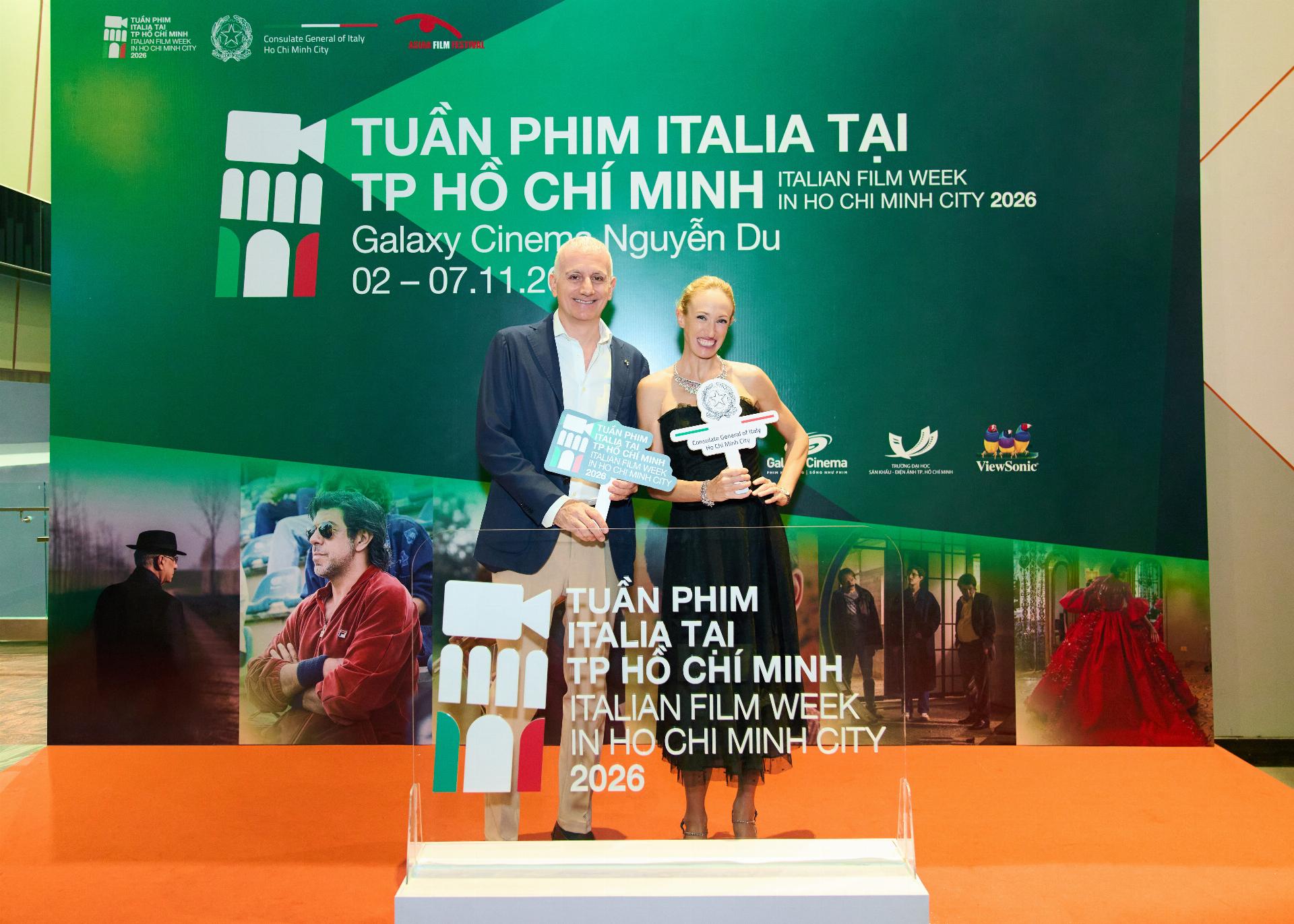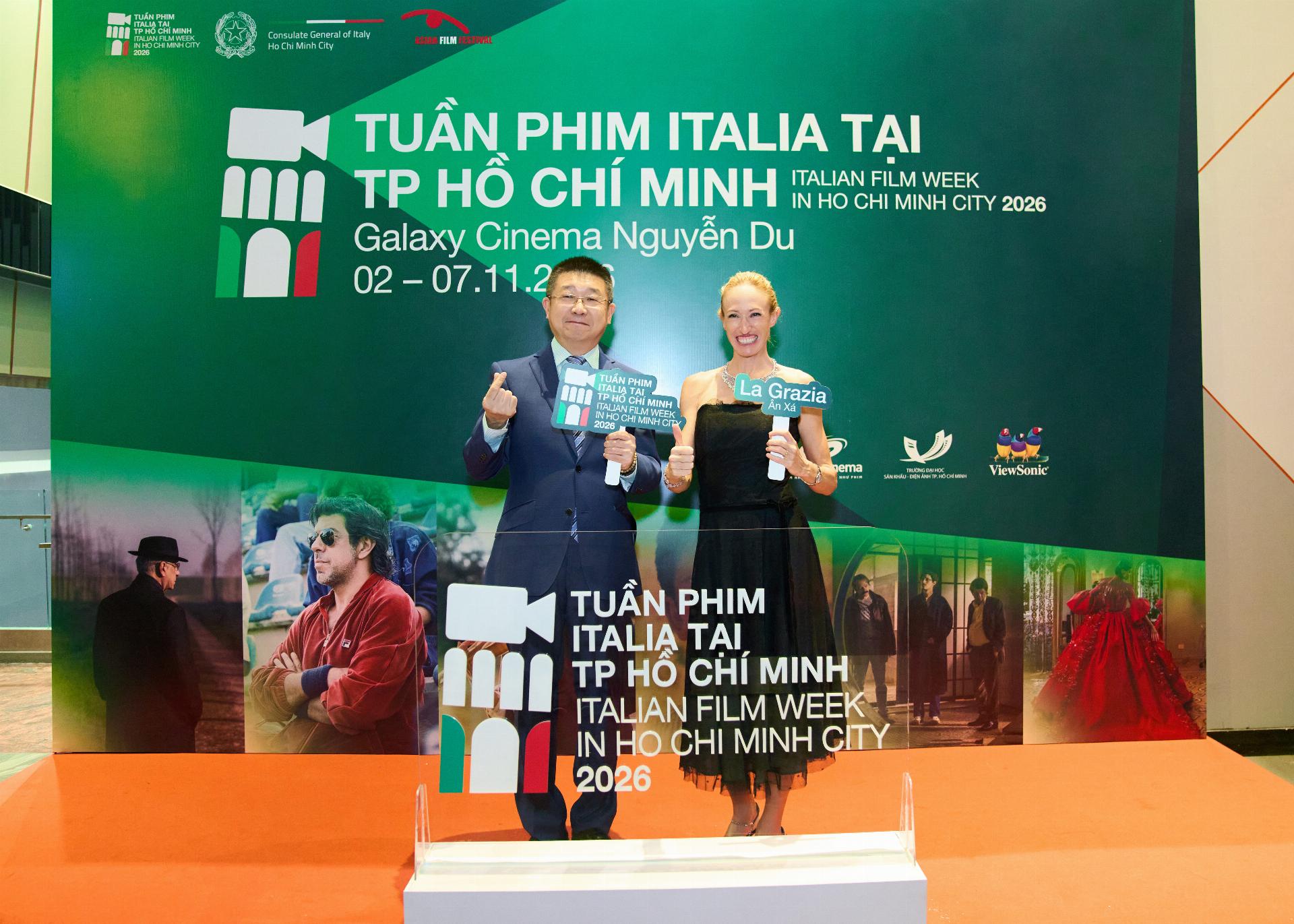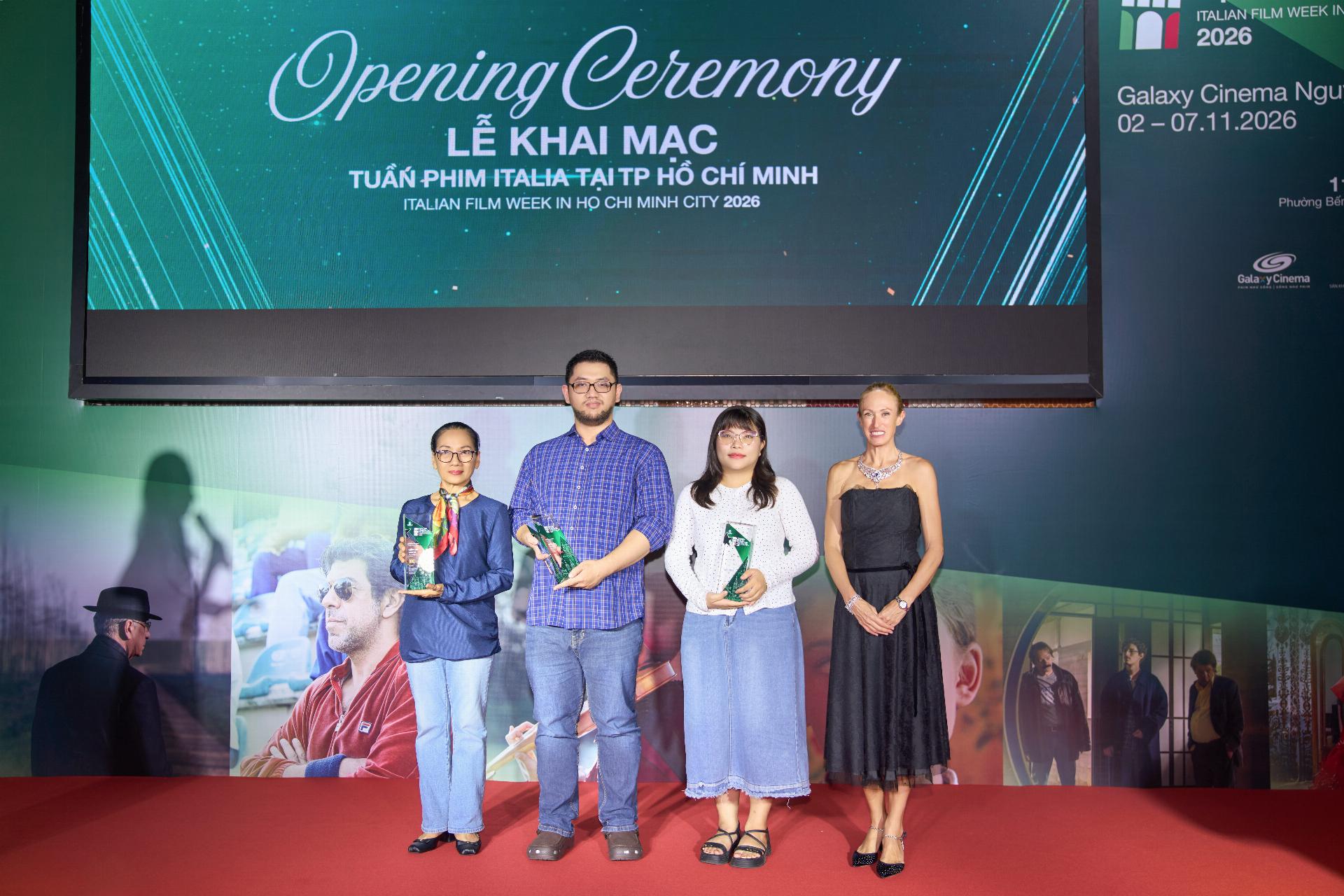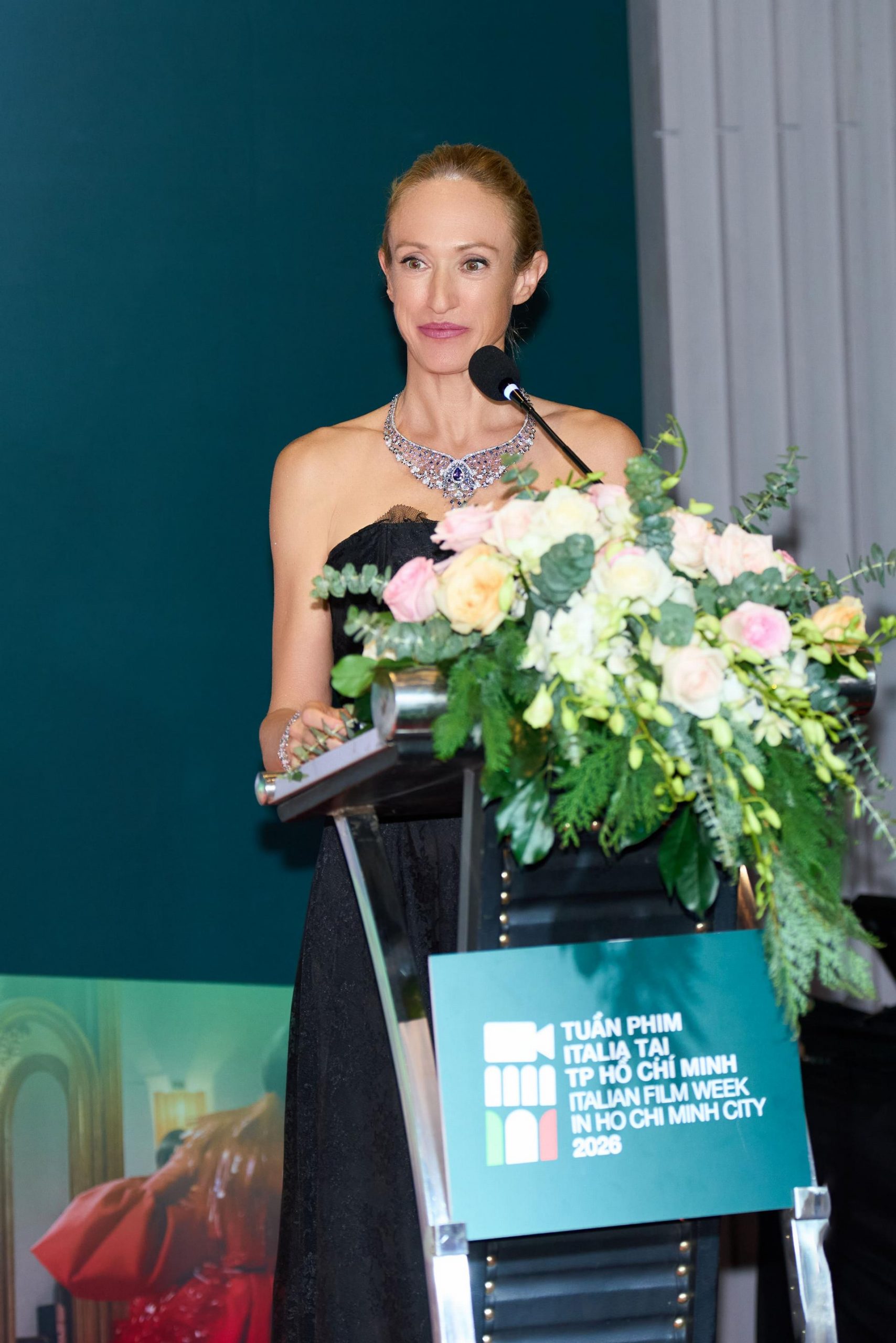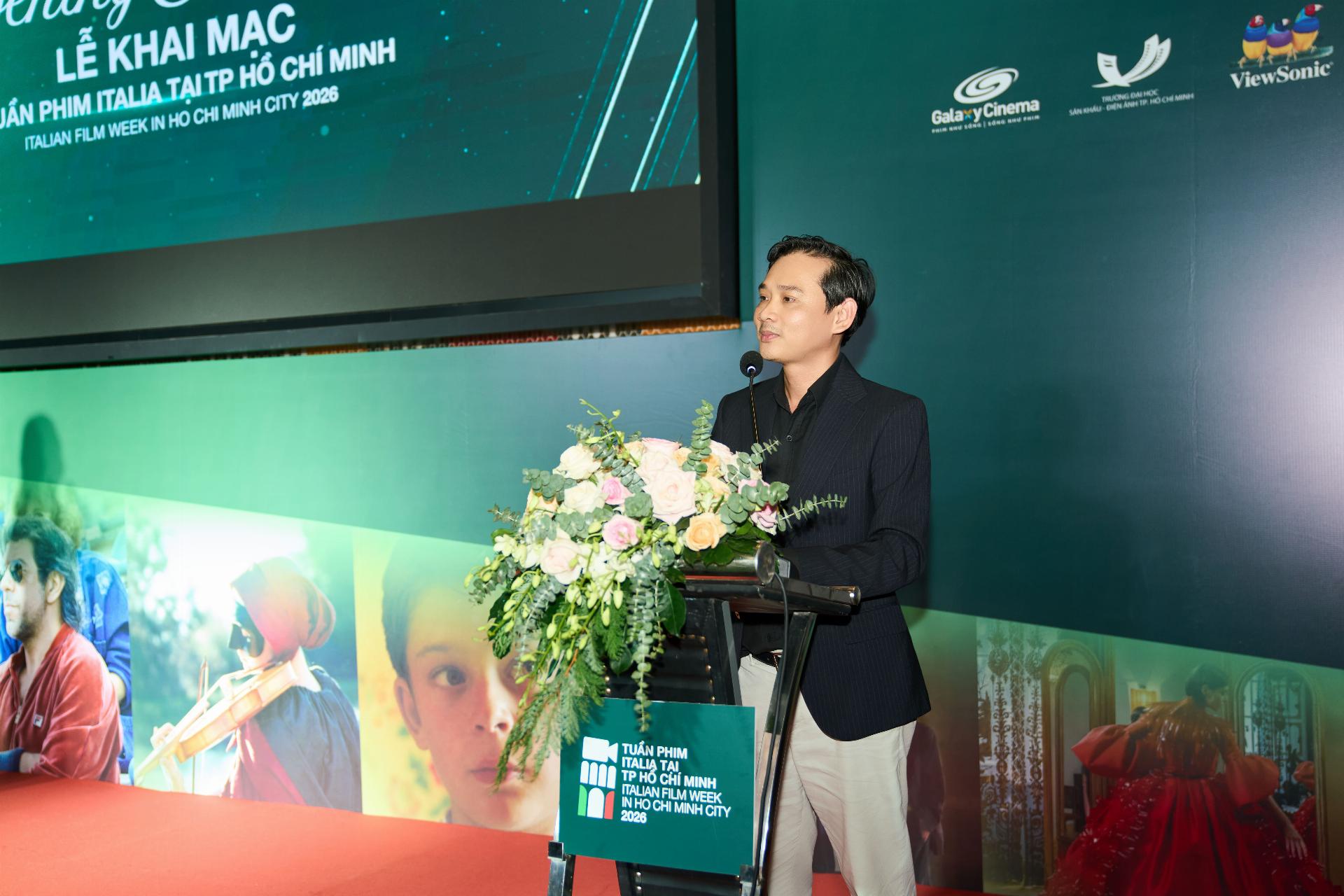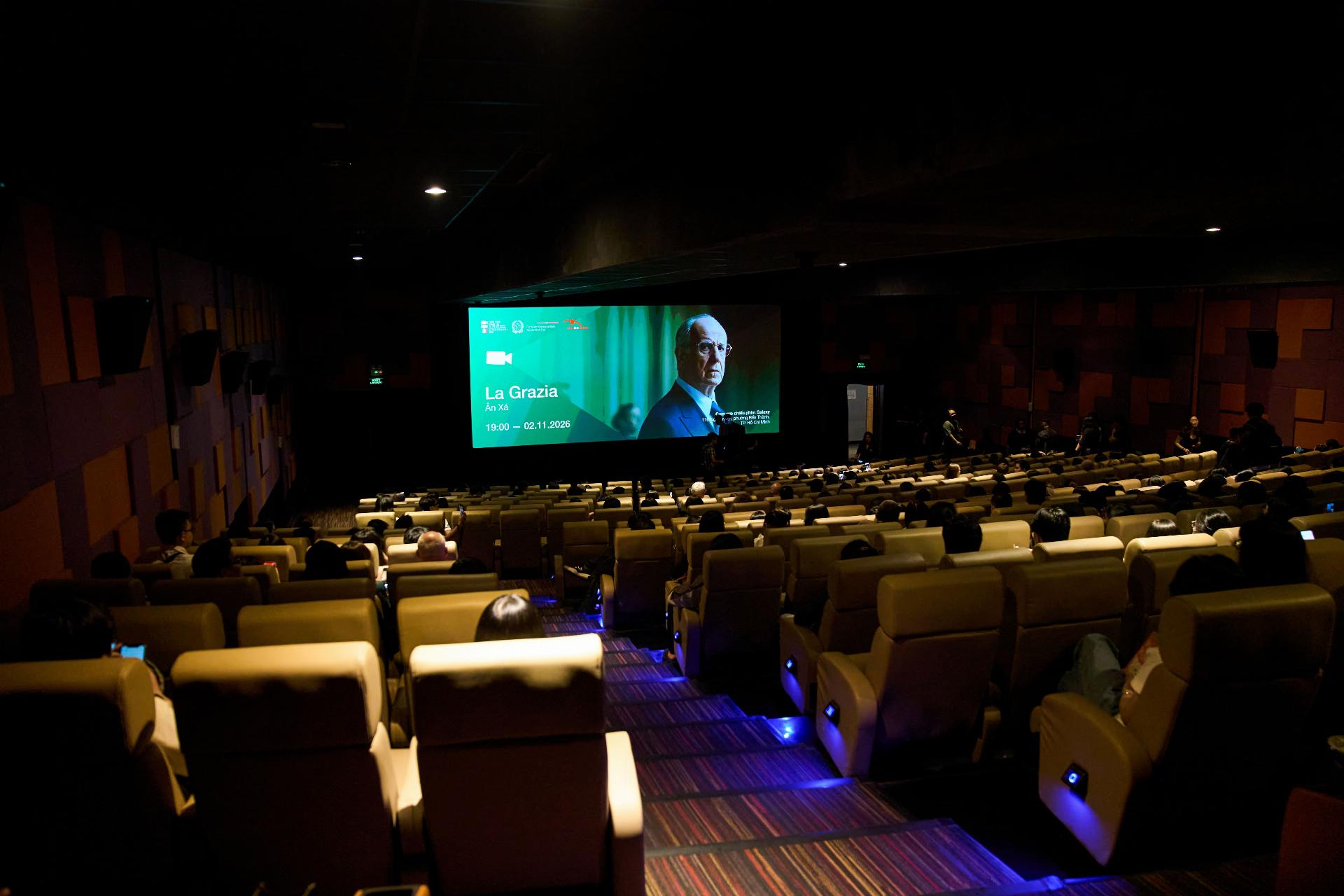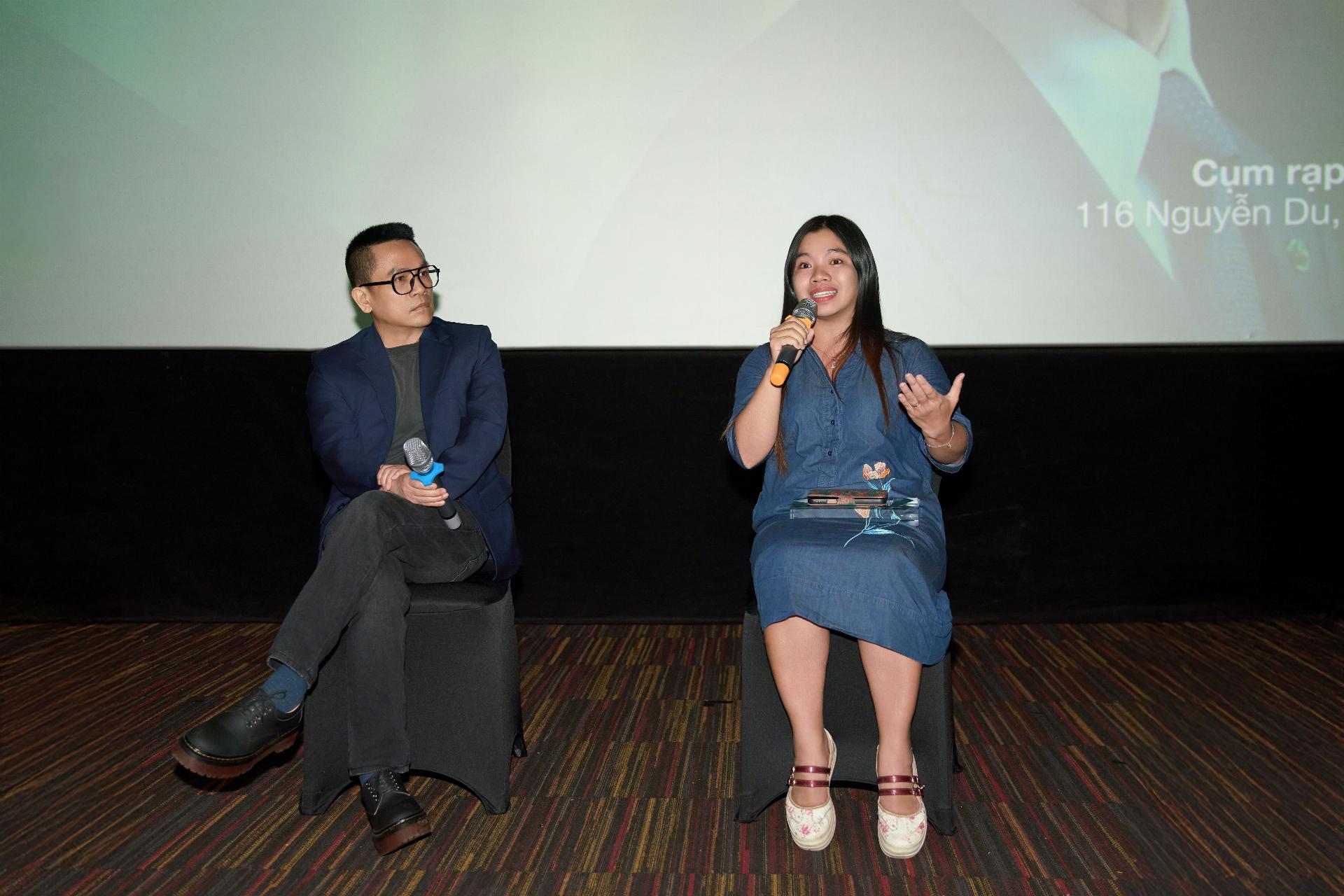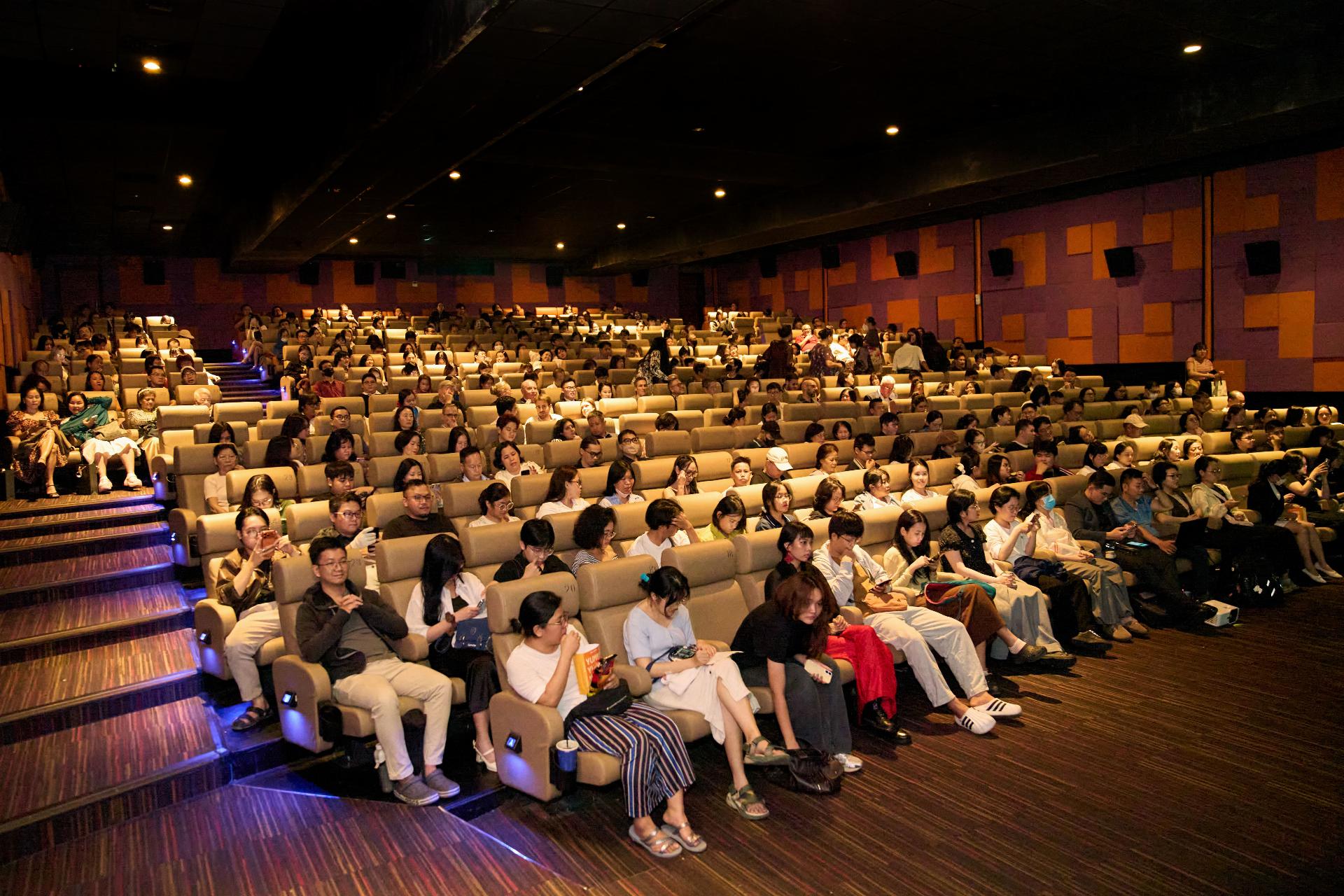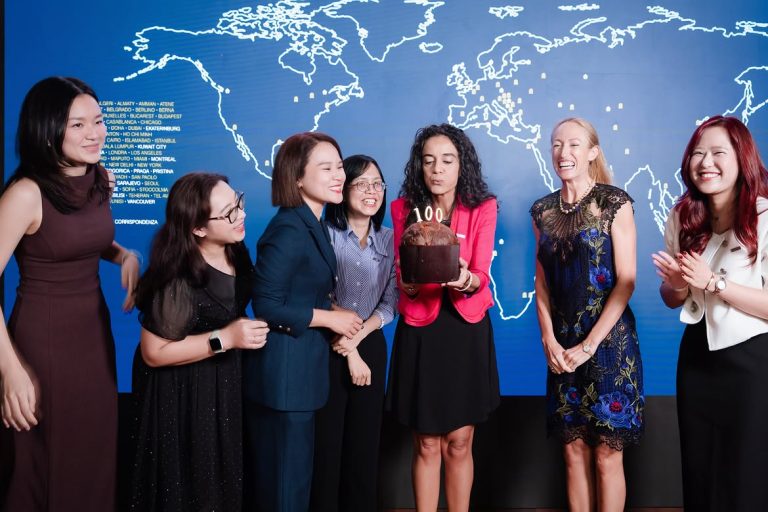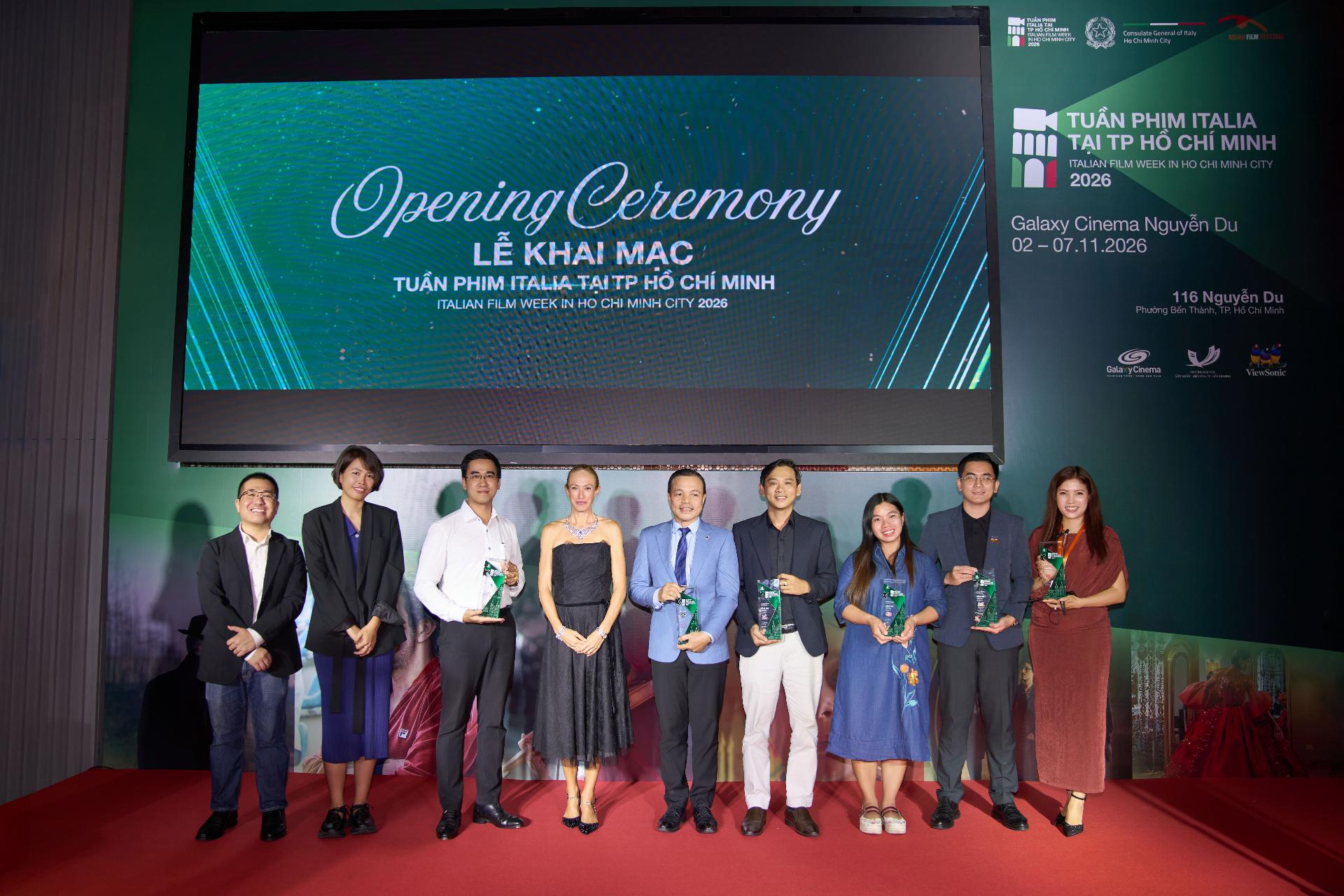
Here is the opening speech by the Consul General of Italy in Ho Chi Minh City, Alessandra Tognonato:
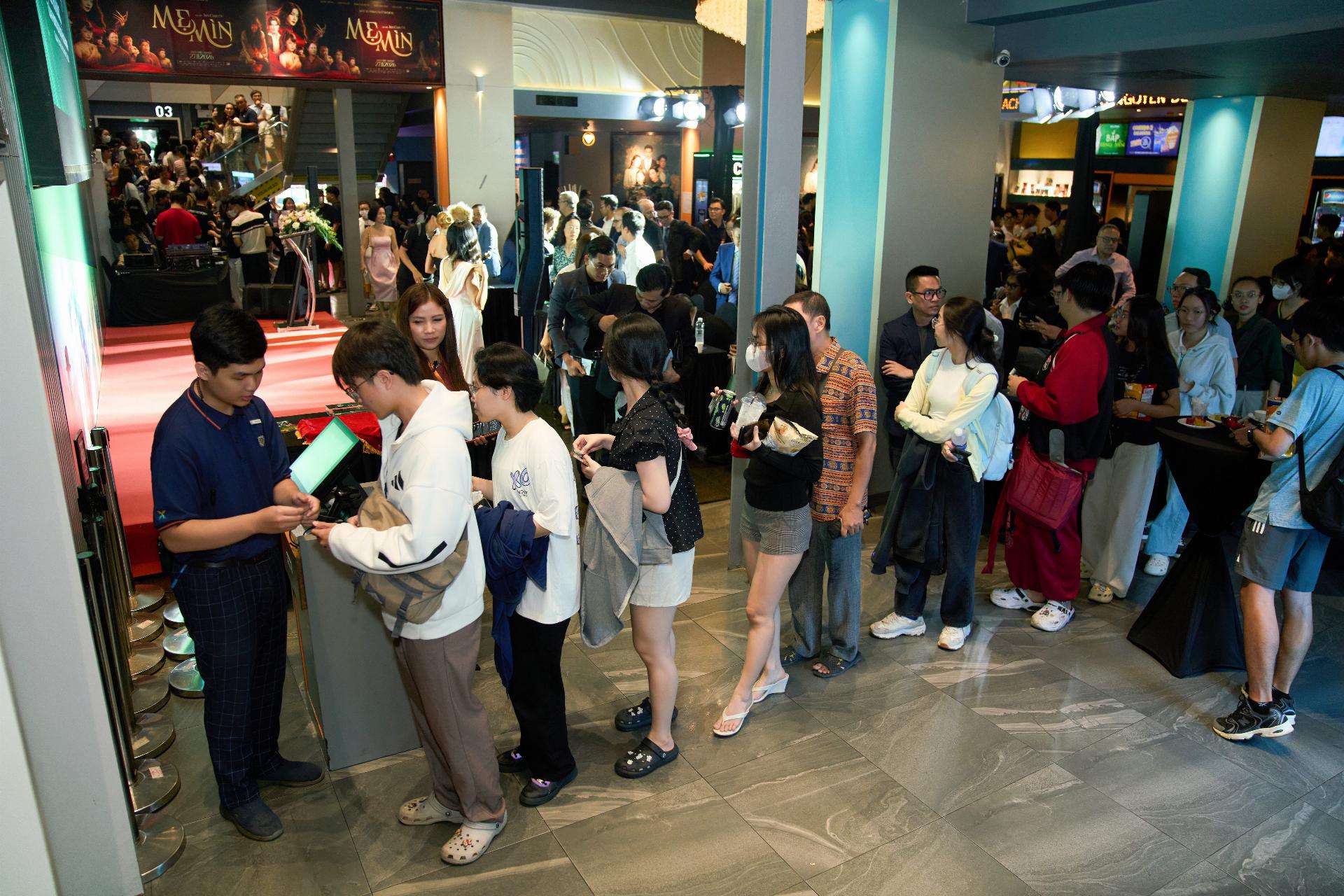
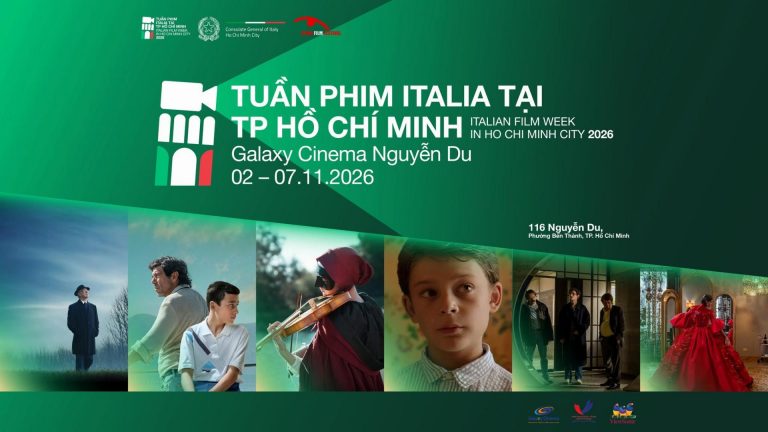
“Dear guests, welcome to the opening night of the 2026 Italian Film Week in HCMC.
Our film selection will offer you six different perspectives on Italy: its institutions and political culture, its family structures, its extraordinary artistic heritage, its regional identities and the social transformations shaping Italian society.
Together, the six movies trace a rich cinematic geography of Italy:
– the monumental beauty of Rome in La Grazia, – the baroque splendor of Venice in Primavera,
– the noble palazzo Fardella and historic streets of Trapani in Gioia Mia,
– the elegant seaside towns of Gaeta & Formia in Il Maestro,
– the distinctive architecture and landscapes of Veneto – including Padova and Belluno in Le cittá di pianura,
– the evocative Roman setting of Diamanti with its world of ateliers and artistic craftmanship.
A further reason for selecting these films is to showcase the strength of the Italian film industry and the breadth of its creative expertise.
Cinema is a collective art: its quality depends on directors and actors, but equally on screenwriters, composers, cinematographers, costume and set designers, sound engineers and many other highly skilled professionals. Throughout this week, you will have the opportunity to appreciate the contribution of these different crafts, and the distinctive role of music, visual arts and Italian craftsmanship in bringing a film to life.
We open tonight with La Grazia, by Paolo Sorrentino, the opening film of the 82nd Venice International Film Festival in August 2025.
Among its many distinctions, it earned Toni Servillo the Volpi Cup for Best Actor in Venice and went on to receive eight Nastri d’Argento awards in 2026, including Best Film and Best Director.
Sorrentino is one of the most internationally acclaimed Italian filmmakers, known for a distinctive cinematic language that combines visual sophistication, irony and a profound interest in human contradictions.
The title of tonight’s movie refers to a specific constitutional power: the President’s authority to grant clemency to individuals convicted of a crime, but it also raises a much broader question about the relationship between justice, forgiveness and personal conscience.
Its central character is a fictional President nearing the end of his mandate, faced with two requests for presidential pardon. Through this institutional and deeply human dilemma, Sorrentino offers an insight into Italian political culture, where the exercise of public responsibility is inseparable from ethical reflection and the weight of individual decisions.
Over the next five evenings, we will discover five very different cinematic worlds.
Tomorrow, Il Maestro, by Andrea Di Stefano, follows a young aspiring tennis player and his unconventional coach on a journey through Italy.
On Wednesday, Primavera, by Damiano Michieletto, takes us to eighteenth-century Venice, into the world of the genius composer Antonio Vivaldi and the young women musicians of the Ospedale della Pietà.
On Thursday, Gioia Mia, the debut feature by Margherita Spampinato, takes us to a historic Sicilian palazzo, where a young boy and his elderly aunt discover how much two generations can learn from one another.
On Friday, Le città di pianura, by Francesco Sossai, takes us across the plains of Veneto, far from the familiar postcards of Italy for a witty portrait of provincial life.
On Saturday, we will close with Diamanti, by Ferzan Özpetek.
I particularly wanted this film to be part of our programme. Özpetek is one of my favourite directors, and Diamanti is a film written to bring together and showcase the extraordinary talent of some of the finest actresses in contemporary Italian cinema.
Set in the world of a Roman costume atelier, it is also a tribute to the craftsmanship behind the magic of cinema. Above all, it is an ode to women: the title, Diamonds, is dedicated to them.
This year’s programme will also extend beyond the screen: seven distinguished Vietnamese guests, bringing expertise in film studies, acting, screenwriting, production design, music and creative industries, will contribute with their perspectives and enrich the dialogue between Italian cinema and Vietnamese audiences.”